
The Night Shift Tower has been expanded with new themed floors, interactive elevator ride events, and a comprehensive HUD. Character models have been rebuilt using a refined sculpted surface pipeline for better anatomical detail, and a new handoff guide along with Blender-to-MCP automation tools was added to improve developer productivity. 
Resolved two key issues: sidebar scroll positions now persist across page navigations using sessionStorage, and several pages that were crashing due to unintended database client imports in browser code have been fixed by splitting logic into browser-safe modules. A new test suite was added to proactively block future database imports within client-side components to prevent regressions. 
We have refactored the tutor prompt to favor concise, 3-6 sentence answers by default, significantly reducing token consumption and costs for general queries. Long-form explanations are now reserved for explicit user requests or complex problem-solving scenarios, ensuring a more focused learning experience. To support this change, we introduced a new offline self-check script to validate our AI usage metering against mocked model responses. 
This commit introduces the foundational prototype for a co-op surgery game built in Unity 6 using URP and the new Input System. The project includes a fully featured operating room with interactive tools, a ragdoll-based patient named Gary, and core game systems for objectives, heart monitoring, and player ratings. It serves as a solid base for future cooperative gameplay mechanics. 
We have completed an audit to ensure consistency by enabling edit functionality for previously 'create-only' records, including unit tests, question banks, saved message replies, report-comment windows, and code exam groups. This update improves administrative flexibility by allowing teachers and admins to refine details like titles, descriptions, and scheduling configurations without needing to recreate entities. The update also introduces stricter validation on the backend to reject empty titles, ensuring higher data integrity. 
This update fixes navigation issues in the code exams module by updating the breadcrumb generation logic to skip non-existent pages, ensuring a smoother user journey. Additionally, instructors can now edit code exam details (such as title, pass mark, and timing) directly, with robust validation and warnings when removing support for specific languages. 

Updated the project README to include links to YouTube demo videos, providing users with a clearer visual understanding of the project's functionality. This change makes it easier for newcomers to see the application in action. 
Go jobs were previously failing due to read-only filesystem issues when attempting to create build directories in /tmp, and slow cold-start times due to recompilation of the standard library. I've updated the runner to use a custom Docker image with a pre-compiled build cache and switched from go run to a explicit go build step, which significantly improves both reliability and performance. Go programs now start execution in under a second. 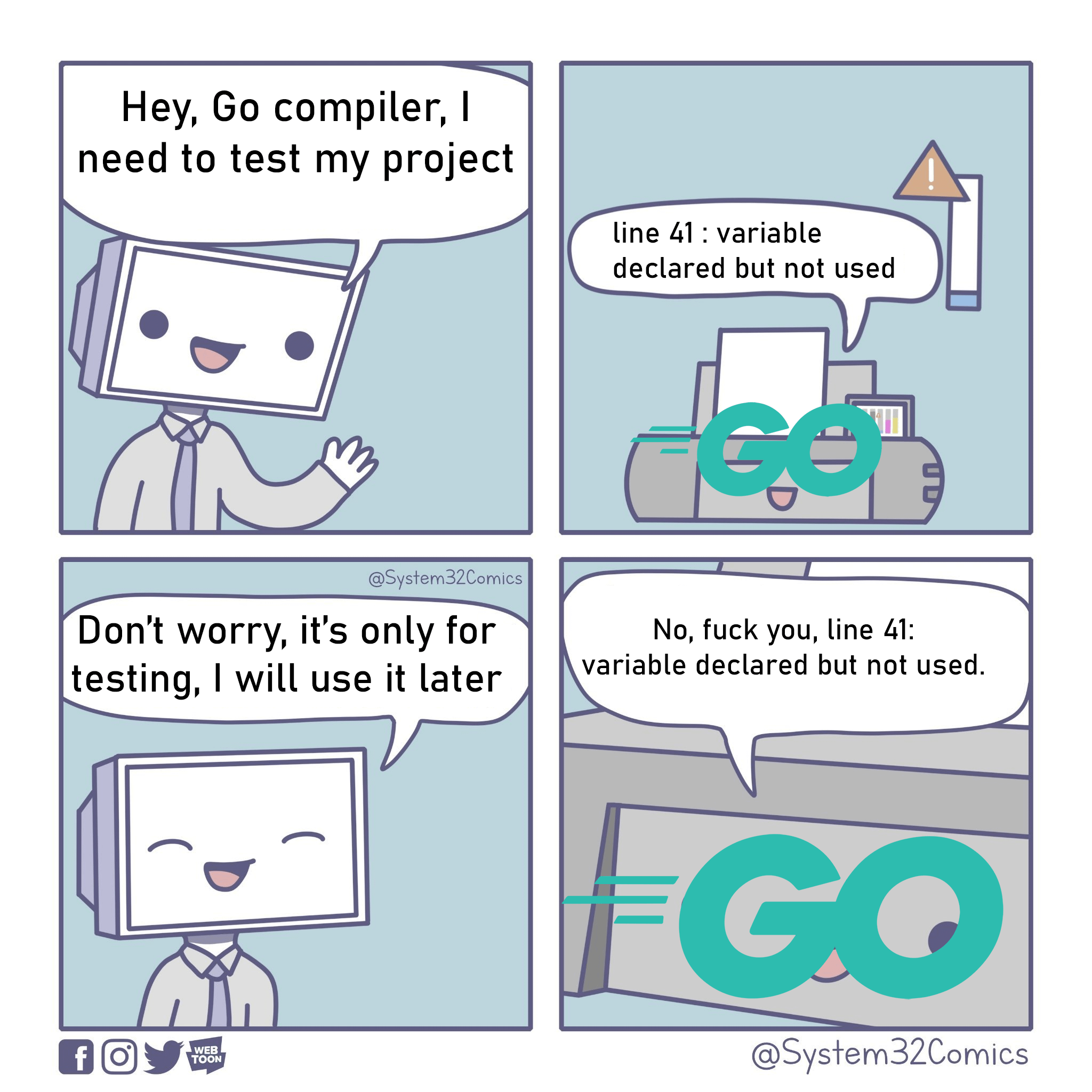
Resolved an issue where code execution jobs would hang indefinitely due to /tmp directory cleanup by moving job storage to /var/lib/code-executor/jobs. Additionally, replaced the deprecated openjdk:21-slim Docker image with eclipse-temurin:21-jdk-alpine to restore Java language support. These changes ensure robust job lifecycle management and reliable environment configuration for supported languages. 
This update introduces robust support for SQL (MariaDB) and PHP website projects to the SparkMentis executor. We've added secure, containerized execution environments using tmpfs for temporary storage, alongside increased code size limits to handle larger datasets and multi-file project structures. These changes enable more comprehensive coding assessments, particularly for database queries and interactive web development tasks. 
We've disabled Turbopack's persistent build cache specifically on Vercel to resolve OOM (Out of Memory) errors during production builds. It turns out that restoring the large cached filesystem between deployments was exceeding the memory limits of our build environment. This change ensures stable deployments while maintaining build speed, and keeps the default caching behavior for other environments like Docker and EC2. 
Following feedback to reduce clutter, I've simplified the Attendance Report page by consolidating controls into a single, slim toolbar and organizing views into a segmented control. The layout now handles narrower screens gracefully without horizontal scrolling, and I've improved the Coverage view by grouping data by teacher. These changes make the report significantly more intuitive to navigate. 
We've finalized a massive UI overhaul across the entire application, achieving 96% component compliance with our new Apple-inspired design system. Key improvements include replacing browser pop-ups with native-feeling sheets, adding global undo functionality for destructive actions like deleting announcements or meetings, and introducing refined loading states with custom button spinners. The update also standardizes typography and status colors to ensure high accessibility and visual consistency across all modules. 
This release implements a comprehensive suite of features requested by the owner, including course deduplication, granular deadline extensions for coursework, bulk student excusals, and campus-aware teacher check-ins. We have also revamped the UI with new SparkMentor-inspired grey panels, fixed sidebar scrolling, and improved search responsiveness to ensure a smoother, more polished user experience. 
This release completes a comprehensive UI overhaul, adopting a consistent, Apple-inspired "glass" design language across settings, admin tools, and student dashboards. We have also introduced a new SparkMentor consent flow, streamlined navigation by renaming "Due" to "Assignments", and implemented crucial security fixes for tenant-based API routing. The platform is now more visually cohesive and secure, with all feature toggles and deployment configurations correctly synchronized. 
Updated the studio personality workflow to ensure all steps are correctly marked as completed regardless of how the user navigates. Previously, only the 'Next' button triggered the completion state, causing issues when using the rail navigation or back button. Now, leaving a step marks it as done, and finalizing the process ensures all steps are correctly captured. 
This update marks the finalization of the Revamp 4.2 release cycle (3a-3f), bringing a complete overhaul to system settings, AI prompt management, engagement tracking, and integration hubs. Key highlights include an iOS-inspired settings panel with atomic saves and undo functionality, an AI prompt editor with preview/test capabilities, and a new "Who's drifting" engagement tool for identifying at-risk students. We also hardened system security by restricting tenant-specific events and API guardrails to server-validated headers rather than relying on potentially forged caller inputs. 
We've moved the review server and cloudflared tunnel into a standalone background process, ensuring share links remain active even after studio restarts. Additionally, we added Chrome integration for Claude, allowing it to capture live UI and perform browser actions directly within the studio flow. These updates improve both development workflow persistence and our agent's capability to interact with real browser content. 
Updated the reel management logic to ensure stages run strictly in order, preventing scenarios where later stages finish while earlier ones remain incomplete. This fix resolves issues where reels would incorrectly show partial progress, such as 'Finished · 86%', even when fully rendered and joined. Now, if the master reel is ready, the progress correctly reflects 100%. 
This update significantly improves the 'Share for review' functionality by delaying link distribution until the Cloudflare tunnel connection is fully registered, preventing premature 'no such host' errors. Additionally, the platform has matured with major new capabilities including AI-powered asset generation, automated performance tracking with comparative analytics, captioning workflows, and comprehensive batch processing for multi-reel production.