
MCP-memento
Local-first MCP server that gives AI agents durable repo memory and fast semantic code context.
This release adds native support for the Codex plugin, streamlining local repository context and durable memory management for Codex users. The existing launcher has been updated to handle Codex-specific workspace roots and plugin-managed storage while maintaining shared repository memory with other Memento-compatible clients. Developers can now manage Memento via the Codex marketplace, simplifying installation and update flows.
This release adds a native Codex plugin, allowing Codex users to add Memento directly via the marketplace. The update includes a unified launcher for both Claude Code and Codex, robust workspace root resolution via MEMENTO_PROJECT_DIR, and improved cross-client durable note sharing. Developers can now manage Memento as a first-class Codex plugin, ensuring consistent repository context and durable memory across agents. 
This update introduces a native Codex plugin, allowing developers to install and manage Memento MCP directly within the Codex environment. The implementation shares the robust, version-pinned launcher and durable memory store already used by the Claude Code plugin, ensuring a consistent experience across different AI agents. Users can now easily manage workspace context and durable notes via Codex marketplace commands, significantly streamlining setup. 
This release flips the default for Memento's semantic retrieval from disabled to auto-detect. Memento will now automatically leverage local embedding runtimes (like Ollama) when they are reachable, falling back gracefully to lexical retrieval if no runtime is available. We've also hardened the embedding pipeline to ensure vector sidecars are preserved during runtime outages and that index operations remain efficient even when semantic retrieval is temporarily unavailable. 
Bumped the Memento MCP server version to 1.0.5 across the marketplace configuration, plugin manifest, and the internal launcher. This ensures users receive the latest server updates and compatibility improvements when running the plugin.
We've completed the foundational work to make semantic retrieval the default experience. This update includes a robust tri-state configuration system, improved embedding runtime availability detection, and hardened error recovery to ensure a stable transition. We also refined index status reporting to accurately reflect store state, ensuring users have clear visibility into their semantic indexing progress. 
This release introduces background marketplace update checks for the Claude plugin, reducing the need for manual updates by staging new versions automatically once per day. It also adds consistent documentation banners across all README files and integrates a new release validation step into the CI pipeline to ensure plugin version alignment. These changes streamline the user experience for Claude Code integrators while hardening the release process.
Prepared the codebase for the v1.0.4 release of the Memento MCP server. This update bumps the version across the marketplace manifest, plugin configuration, launcher script, and documentation. 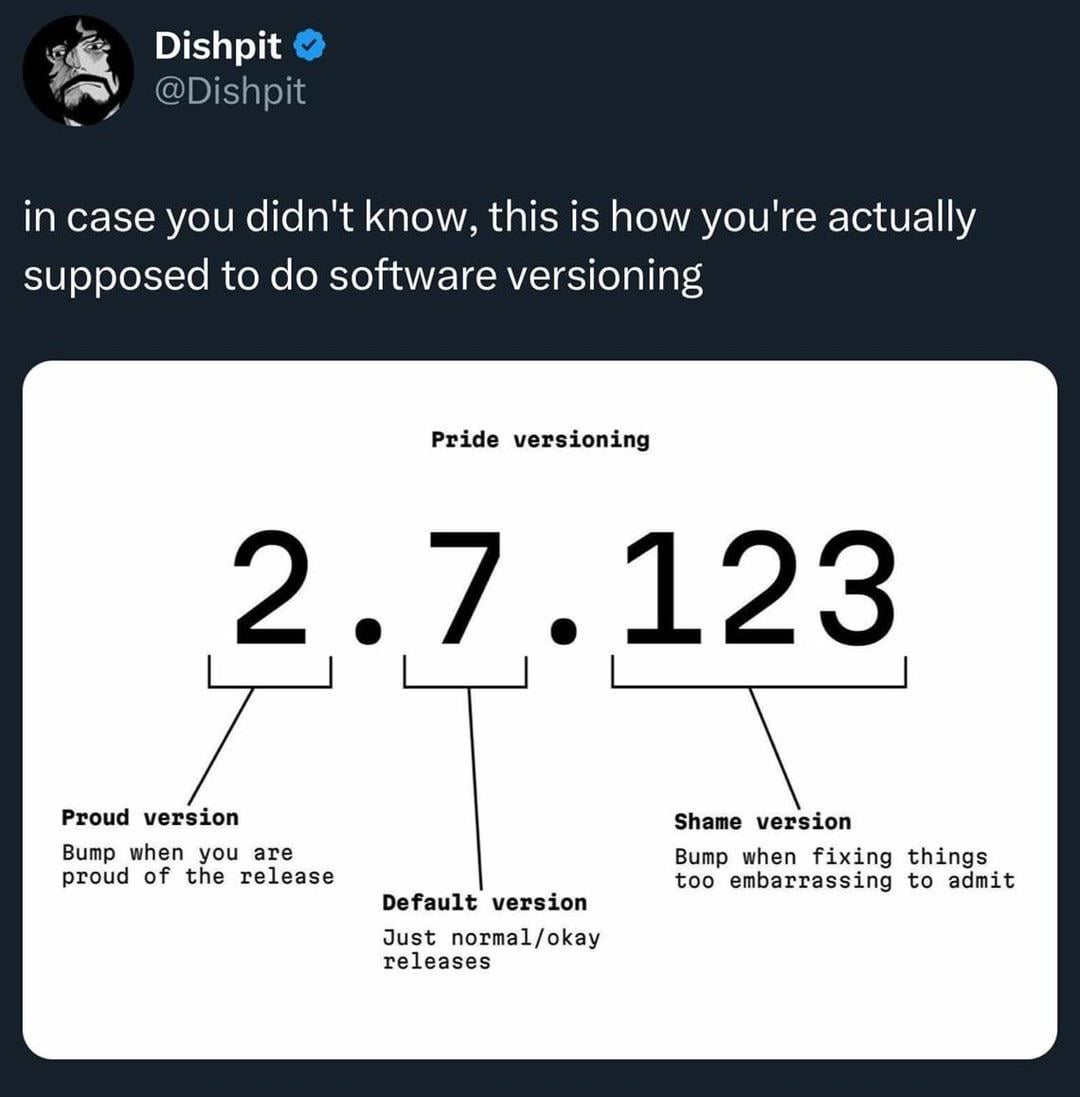
This update introduces a robust release-time contract check to ensure the Claude plugin's metadata, manifest, and launcher version remain in sync with the core server releases. Additionally, the launcher now performs a non-blocking daily update check to keep the Claude task-local plugin current. This change prevents issues where the plugin remained pinned to older server versions after binary updates. 
We've implemented a background update check for the Claude plugin to automatically stage new versions of the Memento marketplace package once every 24 hours. To ensure release integrity, we also introduced a strict validation workflow that verifies version parity across documentation, the launcher, and marketplace manifests before publishing releases. This shift reduces manual overhead and ensures users stay on current versions without interrupting active tasks. 
Updated all primary README files across the repository to include a consistent, branded banner image. This improves visual identity and provides a clearer landing experience for new users and contributors. 
This release introduces shared durable memory across linked Git worktrees. Durable notes now automatically map to the main worktree repository root, while context and anchor reconciliation remain specific to the active checkout. Developers can now maintain consistent handoffs and decision tracking across multiple simultaneous checkouts in the same project. 
This release separates Memento's durable memory storage from the active Git worktree, allowing linked worktrees to automatically share the same durable notes from the main repository. While memory is now shared across linked checkouts, repository context (such as diffs and code anchors) remains scoped to the specific active checkout. Proactive memory recall via memory_search at session start is now recommended to leverage this shared knowledge base. 
This release upgrades the PHP compatibility evaluator to terms-v14, integrating refined ranking logic for authoritative domain declarations. By effectively scoping consumer detection and introducing specific intent-based guards for stored-token domain definitions, the implementation improves retrieval accuracy across complex PHP relationship contexts. The update also bumps the core Memento plugin to match the new server version for consistency. 
Updated Memento MCP to version 1.0.2, bumping versions across manifests and the launcher configuration. This maintenance release ensures the plugin correctly references the latest server release. 
This update promotes the previously advisory membership-freeze judgment to training and implements terms-v14 to better identify authoritative domain definitions. It refines the scorer to use provider-scoped intent for these definitions and excludes specific classifier vocabulary from the lexical search to prioritize correct domain term matching. A new independent holdout corpus for cold-chain disposition has been added, maintaining the scorer's robustness against complex, similar domain/presenter structures. 
This update introduces terms-v13, which adds guarded ranking for stored-token domain definitions to improve retrieval precision. It ensures that queries accurately identify authoritative enum declarations while strictly excluding consumer-clause references, like serializers or presenters, from triggering these bonuses. These refinements were validated against new holdout benchmarks, maintaining the rigorous evaluation standards for the PHP compatibility suite.
The Memento Claude plugin has been updated to version 1.0.1 across the repository, reflecting the latest stable release. This update ensures documentation, manifest files, and launcher configurations correctly point to the new version. 
This release introduces adaptive Git polling, which dynamically adjusts the polling frequency based on repository activity to improve resource efficiency. The interval now backs off from 2 seconds to a maximum of 30 seconds when idle, while automatically resetting to 2 seconds upon tool activity or new git changes. Additionally, per-process jitter has been added to prevent synchronized scanning across concurrent sessions, and the system now correctly recognizes linked worktrees without shelling out to Git. 
We've upgraded the Git polling mechanism to be more adaptive, reducing resource usage on idle repositories while maintaining quick responsiveness. The polling interval now dynamically increases (from 2s up to 30s) during quiet periods and automatically resets to the fast 'hot' interval upon user activity or changes. Additionally, we've implemented jitter to prevent synchronized load and improved error resilience with a backoff strategy capped at 60 seconds.